
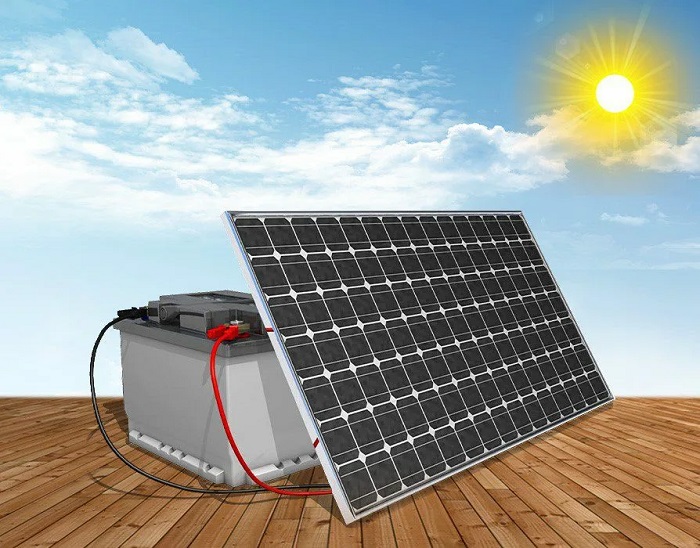
It sounds like a trick question: can solar battery storage work without solar panels? In many cases, yes. The better name would be home battery storage, because the battery can charge from the grid when solar panels are not installed.
That does not mean every battery-only project makes sense. It means the battery’s value comes from what it does: store electricity when it is available or cheaper, then release it when the home needs it.
Battery-Only Storage Has Two Main Jobs
The first job is backup. A grid-charged battery can keep selected circuits running during an outage, even if the home has no solar array. It is similar to a quiet standby power source, though runtime is limited by stored capacity and load size.
The second job is rate optimization. In areas with time-of-use pricing, a battery may charge when electricity is cheaper and discharge when rates are higher. This is sometimes called arbitrage, but for a homeowner it simply means avoiding expensive hours.
ESYsunhome’s home solution page specifically mentions battery storage only as a way to optimize energy costs through dynamic electricity rates. That makes ESYsunhome a relevant brand to review when comparing storage-first home energy setups.
What Changes Without Solar?
Without solar panels, the battery cannot recharge from sunlight during a long outage. Once the stored energy is used, it must wait for the grid or another power source. That is the biggest limitation of battery-only backup.
With solar, the system may recharge during the day if the array produces enough power and the backup equipment is designed for that operation. The Department of Energy says storage can help solar supply power when the sun is not shining, but that advantage depends on having solar production to store.
Battery-only homes also need to pay close attention to utility rules. Some rate plans may limit how battery charging is treated. Incentives can also differ depending on whether the battery is paired with solar, charged from the grid, or configured for backup.
When Battery-Only Makes Sense
Battery-only storage can be worth considering when:
· The home has frequent short outages
· Time-of-use rates make evening power expensive
· Solar is not practical because of roof shade, roof age, or HOA limits
· The owner wants quiet backup without generator fuel
· Solar may be added later and the battery system can expand
It may be less compelling when rates are flat, outages are rare, or the desired backup load is too large for the budget.
Sizing Still Starts With Loads
No solar panels does not simplify the sizing process. The homeowner still needs to decide which circuits matter. A refrigerator, internet, lights, and a sump pump are manageable. Whole-home backup with heating, cooling, laundry, cooking, and EV charging is a much larger project.
The U.S. Energy Information Administration reports that the average U.S. household uses about 10,500 kWh of electricity per year, but a battery system should be sized from critical loads and daily patterns rather than an annual average. A battery-only quote should show expected runtime under realistic loads.
Solar Can Come Later
One appealing path is to install storage first and add solar later, as long as the equipment is chosen with expansion in mind. That approach may fit homes waiting on roof replacement, electrical upgrades, or solar permitting.
Battery-only storage is not a substitute for solar generation, but it can be a useful step toward a more flexible home energy system. The key is to be honest about charging sources, outage duration, utility rates, and future solar plans before choosing the product.