
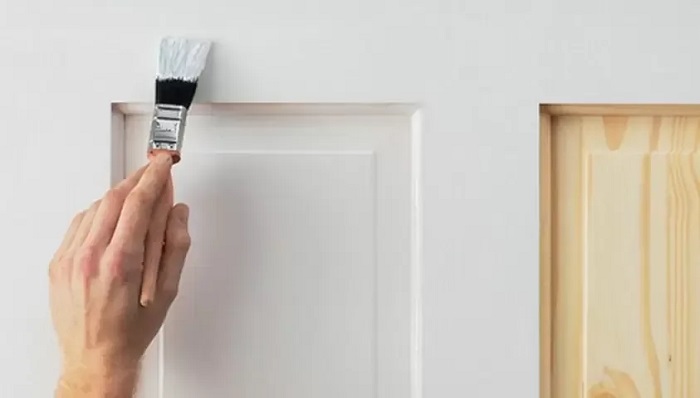
Painting door trims refreshes the interior and protects wood or MDF from moisture, dirt, and minor mechanical damage. Properly selected paint and careful preparation create a smooth line between the wall and door frame, free of drips and «shagreen.»
Mount trims often have profiles and bevels, so application technique and tool selection are important. The approach used in interior painting Calgary is applicable at home: thorough surface preparation, dust control, thin coats, and adequate drying between coats.
Preparing Door Trims Before Painting
Preparation determines 70–80% of the result: paint adheres better, and the surface is smooth. Even expensive materials won’t save you if you’re painting over dirt, old gloss, or loose putty.
Inspection and Cleaning
- Remove dust and grease: warm water with a mild detergent, then clean water and dry.
- Remove peeling old paint with a putty knife; if necessary, use a paint stripper according to the instructions.
- Remove mold (if present) with a specialized product and dry the area completely.
Sanding and Repairing Defects
- Mattify the gloss with P150–P220 sandpaper, especially on protrusions and profiles.
- Fill chips and cracks with wood/MDF filler; after drying, sand smooth. plane.
- Carefully remove dust after sanding: vacuum with a slightly damp cloth or tack cloth.
Priming
Primer evens out absorption and improves adhesion. On bare wood, a primer with a tannin blocker is useful (if there is a risk of staining), on a previously painted surface, an adhesion primer, and on MDF, a primer compatible with the selected enamel.
Which trims can be painted: wood, MDF, PVC, metal
Almost any trim can be painted, but the longevity of the result depends on the correct paint type and substrate preparation. The main principle is the same: the coating must adhere well to the material and withstand operating conditions (moisture, temperature fluctuations, UV radiation, mechanical stress).
Before painting, it is important to assess the surface condition (old layers, cracks, peeling) and select a primer that is compatible with the substrate and topcoat. This reduces the risk of bubbles, peeling, and stains, and also saves paint.
Mounting Materials and Painting Features
- Wooden casings can always be painted, provided the wood is dry and clean. For outdoor use, systems with a wood primer and weather-resistant paint are preferred; edges and joints require especially careful protection.
- MDF casings can be painted, but only if they are consistently used dry (indoors) and the edges are well sealed. The substrate must be undamaged: expanded MDF cannot be reliably restored for painting.
- PVC (plastic) – can be painted if using materials that adhere to plastic. The key is matting the surface and using an adhesion primer; without this, the paint often peels off.
- Metal trim – can be painted if corrosion is removed and anti-corrosion protection is provided. Degreasing and a metal primer are required; for outdoor use, moisture and sun resistance are important.
Bottom line: wood is the most «grateful» material for painting. Metal requires anti-corrosion preparation, PVC requires mandatory adhesion enhancement, and MDF is suitable mainly for interior use with careful edge protection. The more precise the compatibility of primer and paint and the better the preparation, the smoother the finish and the longer the service life.