
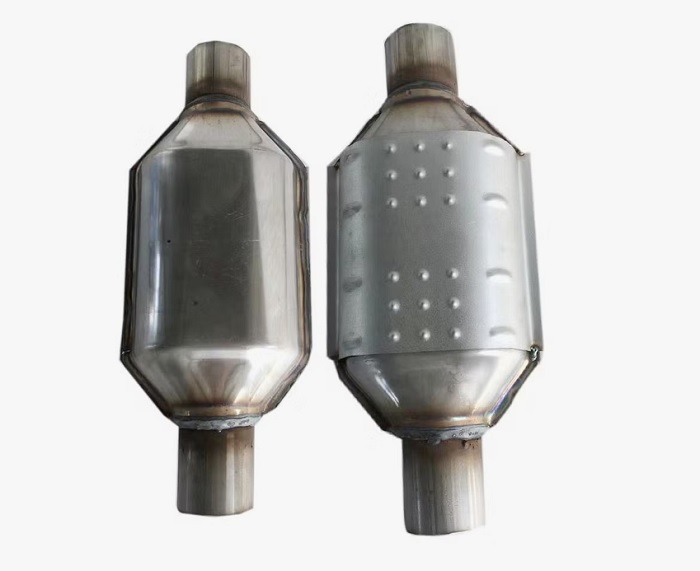
In scrap recovery, most conversations about value focus on metal markets, assay results, and processing terms. Those factors matter, of course, but one issue is often overlooked until it is too late: packaging. A poorly packed shipment can turn a profitable load into a frustrating negotiation, especially when a buyer receives damaged units, mixed lots, contaminated material, or incomplete identification.
For yards, dismantlers, fleet operators, and independent suppliers, packaging is not a minor warehouse task. It is part of value protection. If you want the best possible return on every used catalytic converter, the way you sort, store, label, and ship it can make a measurable difference.
That is particularly important in a market where margins can tighten quickly. When sellers monitor the catalytic converter scrap price, they often focus on market swings but miss the preventable losses happening on their own floor. The good news is that most packaging mistakes are easy to fix with a few consistent procedures.
Why packaging affects converter value more than many sellers realize
Catalytic converters are valued based on several factors, including substrate condition, unit type, code identification, precious metal content expectations, and the buyer’s ability to process and verify material efficiently. Packaging directly affects each of those points.
When units arrive cracked, heavily contaminated, mixed with unrelated scrap, or stripped of identifying marks, the recycler or processor has less confidence in the lot. That often leads to slower intake, more conservative grading, or additional handling costs. In some cases, sellers also lose the ability to match specific units to stronger categories, which can reduce settlement quality.
Professional recyclers such as Recohub emphasize standardized handling because the chain from sourcing to processing works best when materials arrive organized, protected, and easy to verify. That consistency supports better operational efficiency for both seller and buyer.
1. Throwing converters loosely into bins
This is one of the most common mistakes in the trade. Loose loading may seem fast and convenient, but it increases impact damage during storage, forklift handling, and transportation. Metal shells can become dented, and more importantly, ceramic substrates can crack internally.
Even if the outer body still looks acceptable, internal damage can affect confidence in the lot. Buyers may need more careful inspection, and some may price more defensively when units are obviously mishandled.
What to do instead
- Use sturdy pallet boxes, heavy-duty crates, or reinforced gaylord boxes.
- Layer units carefully rather than dumping them from height.
- Avoid overfilling containers to the point where units crush one another.
- Add basic separation between high-value or fragile categories when possible.
A simple rule works well: if the shipment would not survive a sudden stop or forklift movement without internal impact, it is not packaged well enough.
2. Mixing converter types in the same container
Another major value leak comes from combining unlike material into one lot. Domestic, foreign, diesel, DPF-related components, aftermarket units, and heavily worn bodies should not automatically be packed together. Mixing makes identification slower and can reduce the clarity buyers need when evaluating expected recovery.
When processors receive clean, sorted lots, they can usually move through intake faster and with greater confidence. By contrast, mixed packaging creates uncertainty and additional labor, which can affect the commercial outcome.
Best practice for sorting
- Separate by type, origin, or code family whenever practical.
- Keep visibly damaged or questionable units apart from standard inventory.
- Do not mix catalytic converters with exhaust scrap, pipe, mufflers, or general ferrous material.
- Use clearly marked containers for each category.
Even basic sorting can improve transparency and reduce disputes later.
3. Failing to label containers clearly
Good packaging is not only physical; it is informational. A box full of converters without a lot number, count, source note, or category label creates confusion from the moment it leaves your facility. If multiple containers are shipped together and not labeled well, it becomes harder to reconcile the load on arrival.
That can lead to delays, questions, and avoidable back-and-forth communication. In a business where time matters, clean documentation supports faster settlement and stronger trust.
Include these details on every container
- Lot number or shipment reference
- Container number, such as 1 of 4 or 2 of 4
- Material category
- Estimated unit count
- Supplier or yard name
- Date packed
If your team handles repeated shipments, this one habit alone can dramatically improve inventory control.
4. Allowing contamination from fluids, dirt, or mixed debris
Converters stored in dirty yard conditions often pick up oil, coolant residue, mud, loose rust scale, wires, and unrelated debris. That contamination does not add value. Instead, it can create handling problems, increase cleanup time, and make the shipment look less professional.
In some cases, contamination may also raise concerns around transport safety or receiving procedures. Buyers prefer material that is straightforward to inspect and process.
How to prevent contamination
- Store packed material under cover whenever possible.
- Do not place converters directly in areas where automotive fluids are present.
- Remove obvious attached scrap that does not belong with the unit.
- Use clean containers reserved specifically for converter storage.
Think of packaging as part of presentation. Clean material signals organized operations and usually creates a better first impression at intake.
5. Overpacking boxes beyond safe weight limits
More weight in one box may seem efficient, but overloaded containers can split, collapse, or become unsafe to handle. When that happens, units are damaged, labels are lost, and the shipment may need to be repacked at some point in the logistics chain.
This is especially important for exporters and larger commercial sellers working across longer transport routes. A box that survives movement within one yard may not survive warehouse transfers, truck loading, and cross-border handling.
Using right-sized packaging often protects value better than trying to maximize each container. Stable, manageable loads are easier to stack, scan, count, and receive.
6. Removing or obscuring identification features
One costly error is damaging the very information needed to identify the unit. Grinding, excessive cleaning, paint overspray, sticker placement over key codes, or rough handling that deforms stamped areas can make converter recognition harder.
In many cases, code visibility helps support a more accurate evaluation. If identifiers are missing or unclear, the buyer may have to rely more heavily on broader assumptions rather than precise matching.
Protect identification points by
- Avoiding unnecessary scraping or aggressive surface cleaning
- Keeping labels and tape away from stamped or printed codes
- Training staff to preserve recognizable markings during removal and storage
- Photographing organized lots before shipment when appropriate
This is a small operational detail that can have an outsized effect on transaction quality.
7. Ignoring moisture and outdoor exposure
Rain, standing water, and prolonged outdoor storage can affect packaging integrity and overall presentation. Wet cardboard weakens. Labels peel off. Containers break down. While the converter itself is metallic, repeated exposure to harsh conditions can still complicate handling and documentation.
If you regularly accumulate volume before sale, create a dry storage zone and use packaging designed for industrial transport. The cost is modest compared with the value it helps protect.
8. Treating packaging as an afterthought instead of a process
The biggest mistake is cultural: assuming packaging happens at the end, with whatever materials are available. High-performing scrap operations usually do the opposite. They standardize procedures, train teams, and build packaging into the workflow from the start.
A practical system might include a designated converter area, category-based bins, printed lot tags, photo records, and shipment checklists. That not only helps reduce value loss but also makes scaling easier as volume grows.
If your business is shipping regularly, now is a good time to review how your current process would look from the buyer’s side. Would the load appear organized, clean, traceable, and professionally prepared? If not, a few simple upgrades can pay off quickly.
A smarter way to protect returns
In converter recycling, value is influenced long before material reaches the processor. Better packaging improves protection, transparency, and confidence throughout the transaction. It reduces disputes, limits avoidable damage, and supports faster, smoother receiving.
That is why experienced industry partners matter. Companies with strong sourcing, processing, and logistics capabilities understand that packaging is not separate from recovery value; it is part of it. Recohub, based in the UAE and serving global recycling flows, reflects that more professional approach by focusing on structured material handling and reliable trade support.
For sellers who want to tighten operations and avoid preventable losses, the takeaway is simple: do not let good material lose value because of poor preparation. Review your packaging method, train your team, and work with a recycler that understands the details that protect every shipment from yard to final settlement.