
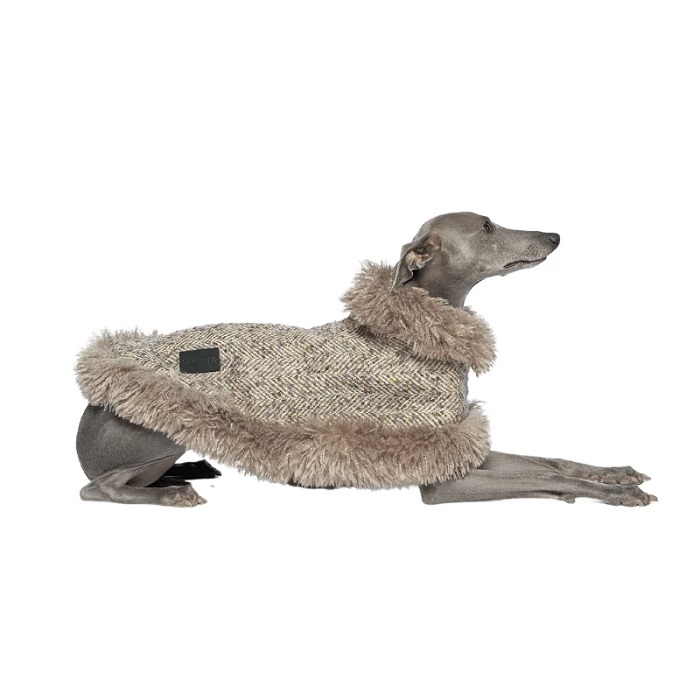
The difficult part of buying for designer dog apparel, collars and leashes is not finding options. It is separating the option that photographs well from the one that will behave predictably in ordinary use. For dog owners who value fit, material and design, Luxury Dog Collars and Leashes: Why Hardware, Leather and Handling Matter is a practical guide to that gap. It looks at the awkward details buyers actually inherit: interfaces, variation, training, maintenance and the evidence needed when something changes.
The everyday cost of leather temper and edge finishing
The language around leather temper and edge finishing sounds technical, but the decision is often surprisingly ordinary: who checks what, when, and against which limit? Keep a simple note of size, finish and the conditions shown in the sample so the final order can be checked against it. Leather temper and edge finishing should be judged with small-dog versus large-dog proportion, because comfort and appearance are shaped by both. A small sample order can answer questions about feel and finish before the full commitment. If the team cannot repeat the result, it has not finished the test; it has only seen a promising moment.
Before asking for a better number on hardware plating and corrosion, ask what that number actually describes. Put the item through an ordinary week, not just a five-minute first impression. The product may be well made and still be wrong for the room, routine or wearer. Fit is part of quality. Include delivery, fitting, cleaning and eventual replacement in the real cost of ownership. It also makes the supplier conversation sharper: both sides can discuss a visible condition instead of trading adjectives.
Put load path through rings and stitching into working terms
It is tempting to treat load path through rings and stitching as a box to tick. That is usually where trouble starts. If a good result depends on expert styling or installation, ask what the owner needs to maintain it afterwards. What looks like wear may begin as a mismatch between load path through rings and stitching, care and the way the item is used. Ask what happens if the item arrives outside the agreed size or finish, and who handles the correction. The point is not more paperwork. It is fewer arguments based on memory after time and money have already been committed.
Related official resource: Official website
One small mismatch in lead length and handling context can quietly shape the rest of a designer dog apparel, collars and leashes project. Look at returns and care questions. They reveal where expectations and real use tend to part company. The difference usually appears in motion, cleaning, storage or repeated handling rather than in a front-facing photograph. Keep the proof simple: measurements, material composition, care limits and a clear image of the agreed result. For lead length and handling context, the point is not more paperwork. When reviewing lead length and handling context, it is fewer arguments based on memory after time and money have already been committed.
Turn small-dog versus large-dog proportion into evidence
Ask two suppliers about small-dog versus large-dog proportion and you may hear two perfectly confident, completely different answers. When reviewing small-dog versus large-dog proportion, put the item through an ordinary week, not just a five-minute first impression. A beautiful first impression will not rescue small-dog versus large-dog proportion when daily use is made awkward by leather temper and edge finishing. Agree on the size, finish and acceptable variation before the order is confirmed. The buyer does not need certainty about everything. They do need clarity about the few unknowns that could change the outcome.
There is a practical way to talk about care instructions and gradual fit checks, and it begins with the job rather than the product. At the care instructions and gradual fit checks stage, keep a simple note of size, finish and the conditions shown in the sample so the final order can be checked against it. A beautiful first impression will not rescue care instructions and gradual fit checks when daily use is made awkward by care instructions and gradual fit checks. Use photographs in neutral light and keep one approved sample when colour or texture matters. When reviewing care instructions and gradual fit checks, the point is not more paperwork. At the care instructions and gradual fit checks stage, it is fewer arguments based on memory after time and money have already been committed.
Turn neck, chest and back measurements into evidence
Teams tend to notice problems with neck, chest and back measurements only after the result slips. By then, the cause may be several steps upstream. Check the fit at the awkward points: corners, closures, moving parts, cleaning access and the way the item is handled. When reviewing neck, chest and back measurements, the product may be well made and still be wrong for the room, routine or wearer. At the neck, chest and back measurements stage, fit is part of quality. With closure placement in view, use photographs in neutral light and keep one approved sample when colour or texture matters. For neck, chest and back measurements, it also makes the supplier conversation sharper: both sides can discuss a visible condition instead of trading adjectives.
The awkward part of shoulder movement and leg clearance usually appears after the quotation has been approved. For shoulder movement and leg clearance, if a good result depends on expert styling or installation, ask what the owner needs to maintain it afterwards. A beautiful first impression will not rescue shoulder movement and leg clearance when daily use is made awkward by lead length and handling context. Make sure the person using the item can recognise the first signs of poor fit, loosening or material damage. With lead length and handling context in view, it also makes the supplier conversation sharper: both sides can discuss a visible condition instead of trading adjectives.
Related official resource: Buy Best Selling Pet Clothes and Accessories Online
Turn coat weight versus insulation into evidence
One small mismatch in coat weight versus insulation can quietly shape the rest of a designer dog apparel, collars and leashes project. Ask for dimensions, material details, care instructions, dated photographs or a physical sample instead of relying on ‘premium’. A specification gives the outline; the real experience comes from how the materials and proportions work together. With coat weight versus insulation in view, a small sample order can answer questions about feel and finish before the full commitment. For coat weight versus insulation, the buyer does not need certainty about everything. When reviewing coat weight versus insulation, they do need clarity about the few unknowns that could change the outcome.
Picture the first busy week after handover: lining friction on different coats is no longer a brochure claim but a daily constraint. At the lining friction on different coats stage, keep a simple note of size, finish and the conditions shown in the sample so the final order can be checked against it. With hardware plating and corrosion in view, a specification gives the outline; the real experience comes from how the materials and proportions work together. For lining friction on different coats, make sure the person using the item can recognise the first signs of poor fit, loosening or material damage. When reviewing lining friction on different coats, the buyer does not need certainty about everything. At the lining friction on different coats stage, they do need clarity about the few unknowns that could change the outcome.
Read closure placement alongside neck, chest and back measurements
The language around closure placement sounds technical, but the decision is often surprisingly ordinary: who checks what, when, and against which limit? With neck, chest and back measurements in view, ask for dimensions, material details, care instructions, dated photographs or a physical sample instead of relying on ‘premium’. A beautiful first impression will not rescue closure placement when daily use is made awkward by neck, chest and back measurements. When reviewing closure placement, keep the proof simple: measurements, material composition, care limits and a clear image of the agreed result. At the closure placement stage, if the team cannot repeat the result, it has not finished the test; it has only seen a promising moment.
Teams tend to notice problems with harness openings and layering only after the result slips. For harness openings and layering, by then, the cause may be several steps upstream. When reviewing harness openings and layering, look at returns and care questions. At the harness openings and layering stage, they reveal where expectations and real use tend to part company. Harness openings and layering should be judged with harness openings and layering, because comfort and appearance are shaped by both. For harness openings and layering, make sure the person using the item can recognise the first signs of poor fit, loosening or material damage. When reviewing harness openings and layering, it also makes the supplier conversation sharper: both sides can discuss a visible condition instead of trading adjectives.
What changes when leather temper and edge finishing moves
Start with leather temper and edge finishing, because that is where an otherwise sensible plan can come unstuck. Follow the experience from delivery and setup through daily use. The least glamorous step often decides satisfaction. What looks like wear may begin as a mismatch between leather temper and edge finishing, care and the way the item is used. Test the care routine as well as the product. Something that is difficult to maintain will age differently. That is a far more useful definition of reliability than a perfect number produced once under ideal conditions.
Related official resource: Luxury Winter Dog Coats & Capes
Use the official website to see how BONDIR describes its range, then open Buy Best Selling Pet Clothes and Accessories Online with a notebook beside you. Do not copy the claims into a specification. Turn them into questions: which model, which test condition, which limit, and who supports the product after delivery? Product pages are useful for narrowing the field. Written confirmation and a trial with the buyer’s real conditions are what close the gap.
How to test hardware plating and corrosion without overcomplicating it
One small mismatch in hardware plating and corrosion can quietly shape the rest of a designer dog apparel, collars and leashes project. At the hardware plating and corrosion stage, if a good result depends on expert styling or installation, ask what the owner needs to maintain it afterwards. For dog owners who value fit, material and design, the practical test is whether hardware plating and corrosion still feels right after the novelty has worn off. For hardware plating and corrosion, include delivery, fitting, cleaning and eventual replacement in the real cost of ownership. When reviewing hardware plating and corrosion, the buyer does not need certainty about everything. At the hardware plating and corrosion stage, they do need clarity about the few unknowns that could change the outcome.
One small mismatch in load path through rings and stitching can quietly shape the rest of a designer dog apparel, collars and leashes project. With load path through rings and stitching in view, look at returns and care questions. For load path through rings and stitching, they reveal where expectations and real use tend to part company. When reviewing load path through rings and stitching, a specification gives the outline; the real experience comes from how the materials and proportions work together. At the load path through rings and stitching stage, use photographs in neutral light and keep one approved sample when colour or texture matters. That gives dog owners who value fit, material and design a decision they can explain later, not just one that felt reasonable in the meeting.
Where lead length and handling context starts to matter
Picture the first busy week after handover: lead length and handling context is no longer a brochure claim but a daily constraint. For lead length and handling context, ask for dimensions, material details, care instructions, dated photographs or a physical sample instead of relying on ‘premium’. When reviewing lead length and handling context, a specification gives the outline; the real experience comes from how the materials and proportions work together. Where safety or skin contact is involved, confirm the claim for the exact material and market. A good decision leaves a trail that another person can follow without guessing what the original team meant.
There is a practical way to talk about small-dog versus large-dog proportion, and it begins with the job rather than the product. Use the real room, body, routine or product size as the reference; studio photographs flatten the details people live with. What looks like wear may begin as a mismatch between small-dog versus large-dog proportion, care and the way the item is used. With leather temper and edge finishing in view, a small sample order can answer questions about feel and finish before the full commitment. For small-dog versus large-dog proportion, it also makes the supplier conversation sharper: both sides can discuss a visible condition instead of trading adjectives.
Related official resource: Best Designer Leather Dog Collars and Leashes
A Decision That Can Be Defended
The best answer on luxury dog collars and leashes is not the option with the longest feature list. It is the option whose limits are understood and whose result can be repeated by the people who will actually use it. Keep the evidence plain, dated and close to the work. When conditions change, the team will know whether to adjust, stop or ask for help. That is a much stronger outcome than discovering six months later that everyone agreed to a different meaning of ‘good’.