
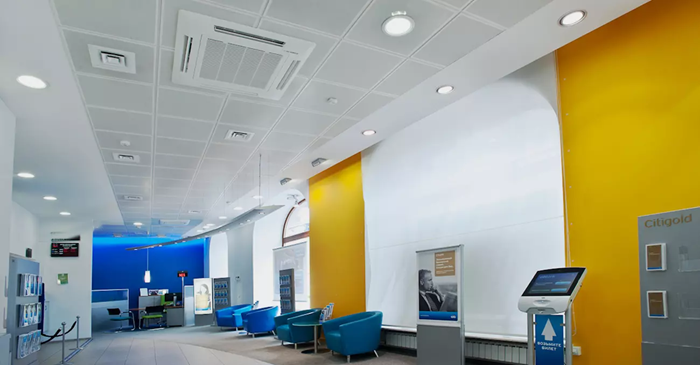
Ensuring comfortable conditions in office spaces is an important aspect of successful company operations, and air conditioning is a key element.
The design and operation of air conditioning systems require strict adherence to requirements and regulations aimed at maintaining optimal temperature, humidity, and air quality, which contributes to increased employee productivity and health.
Particular attention is paid to aspects such as energy efficiency, safety, and regulatory compliance, including refrigeration—the process of cooling air that ensures a comfortable microclimate in office spaces LA Refrigeration. Adherence to established standards not only ensures compliance with legislation but also creates a pleasant working environment.
Safety Rules for the Installation and Operation of Air Conditioners in Office Buildings
When installing air conditioners in office buildings, it is essential to strictly adhere to established safety regulations and standards. This includes choosing the correct installation location, ensuring equipment stability, and preventing possible injury and damage. Installing air conditioners in hazardous locations, such as near fire sources or in areas with high humidity, without appropriate protective equipment is not permitted.
During operation, it is important to regularly maintain the air conditioner, check the system for leaks, and ensure all components are operating correctly. Electrical safety is especially important, including grounding the equipment and using protected electrical appliances. Following safe operating instructions and promptly troubleshooting help minimize the risk of accidents.
Specifics of Selecting Filters and Purifying Devices for Office Air Conditioners
When selecting filters, consider filtration levels, air quality requirements for contaminants, the presence of allergens, and energy efficiency. Regular maintenance and timely filter replacement ensure the efficiency and longevity of the equipment.
Criteria for Selecting Filters and Purifiers
- Filter Type: HEPA, activated carbon, electrostatic, electret, and combination models – each type has its own advantages and is designed to remove specific contaminants.
- Filtration Class: Filters with a filtration level that meets standards and safety requirements should be selected – for example, HEPA filters of level H13 or H14 are suitable for removing fine particles and allergens.
- Performance: The air exchange rate should be appropriate for the room’s size and the intensity of its use.
- Airflow Resistance Level: Low resistance helps reduce energy consumption and improve the efficiency of the air conditioning system.
Installation and Operational Considerations
- Filters should be easily accessible for regular cleaning and replacement.
- Automatic filter monitoring systems are recommended.
- It’s important to install filters that are appropriate in size and compatibility with the specific air conditioner model.
Choosing filters and purifying devices for office air conditioners requires a balanced approach, taking into account the specific air conditions, air purity requirements, and operating conditions. Proper selection and regular maintenance ensure a comfortable indoor climate, improve system energy efficiency, and reduce employee health risks.